
In recent years, the popularity of recreational steel buildings has seen a dramatic increase across the United States. Whether it’s for indoor sports complexes, riding arenas, hunting cabins, game rooms, or community centers, steel structures are becoming the go-to solution for personal and public recreation spaces. Their combination of affordability, strength, customizability, and low maintenance makes them an excellent choice for builders and property owners looking to create a durable, functional recreational facility.
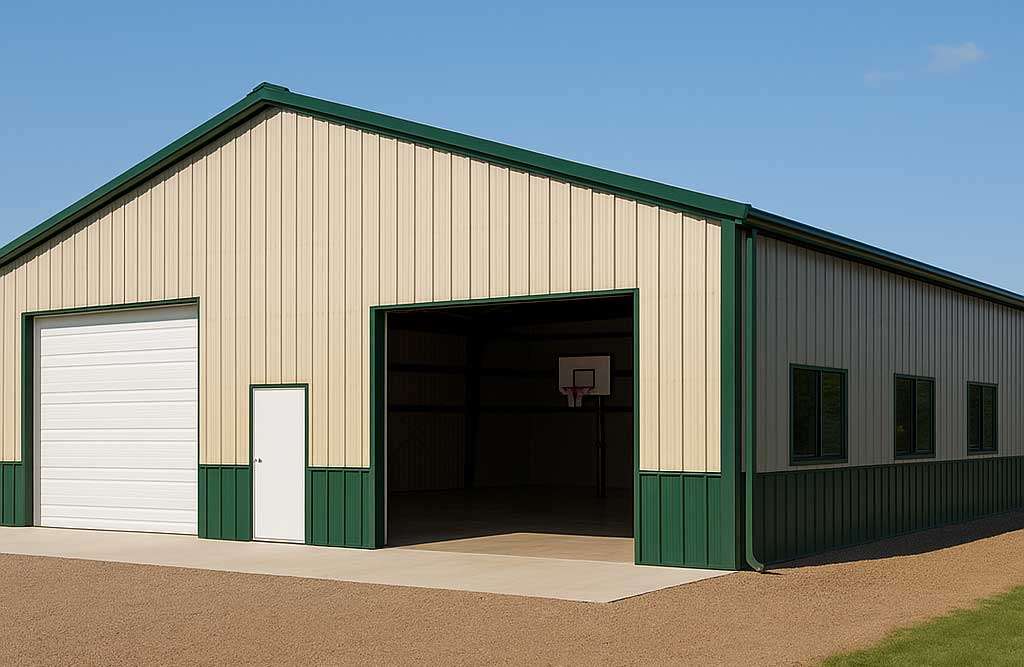
This article explores what makes steel buildings ideal for recreation, the types of recreational steel structures you can build, key design and construction considerations, and how to plan a successful recreational steel building project.
Why Choose Steel for Recreational Buildings?
Recreational spaces vary greatly in purpose—from archery ranges to multipurpose gymnasiums—and steel buildings are uniquely suited to meet those diverse needs. Here are the main reasons why steel dominates this space:
1. Durability and Strength
Steel structures are built to last. Recreational buildings are often exposed to intense wear and tear, high occupancy levels, and in some cases, large equipment (such as indoor sports courts or horse arenas). Steel’s tensile strength makes it resistant to environmental stressors such as high winds, snow loads, pests, and fire. Unlike wood, it doesn’t rot or warp, which makes it ideal for long-term recreational use with minimal upkeep.
2. Wide Clear-Span Space
One of the biggest benefits of using steel in recreational buildings is the ability to create large, open, clear-span interiors—free from obstructive support columns. This open space is essential for sports courts, event halls, and other recreational functions where uninterrupted floor plans are critical.
3. Customizability
Steel buildings can be designed to meet the exact needs of any recreational facility. Whether you need mezzanines, partitioned rooms, HVAC systems, soundproofing, or specific access points for ADA compliance, it can all be incorporated during the planning phase. The exterior can also be finished with stucco, stone, or siding to match surrounding structures or community aesthetics.
4. Quick Construction
Time is money. Steel building kits are prefabricated, which drastically reduces on-site labor and construction time. For municipalities or organizations needing to get a recreational space up and running quickly, this is a major advantage.
5. Cost-Effectiveness
Compared to traditional wood or concrete structures, steel buildings generally cost less per square foot. Coupled with lower maintenance and reduced insurance costs (thanks to fire resistance and durability), steel becomes a smart financial decision over the building’s lifetime.
Common Types of Recreational Steel Buildings
Recreational use cases are as diverse as the people who use them. Here are some of the most common recreational structures made from steel:
1. Indoor Sports Facilities
Steel buildings are ideal for basketball courts, volleyball gyms, soccer fields, tennis centers, and more. The high ceilings and clear spans support large play areas and spectator seating.
2. Equestrian Arenas
Horseback riding arenas, stables, and tack rooms are frequently built from steel due to the cleanliness, spaciousness, and adaptability of these structures.
3. Community Centers and Youth Clubs
Recreational steel buildings can be configured into multi-use spaces with offices, classrooms, lounges, and large halls for gatherings or activities.
4. Hobby Shops and Game Rooms
Whether it’s a personal man cave, game room, or music studio, steel buildings offer an affordable and easily customizable environment for hobbies and relaxation.
5. Hunting and Fishing Cabins
Remote recreation needs a durable, low-maintenance solution. Steel cabins stand up to the elements and can be outfitted with insulation, plumbing, and other comforts for off-grid use.
6. Recreational Vehicle (RV) Storage and Maintenance
Steel garages can double as workshop spaces for RVs, boats, ATVs, and other recreational gear. You can even include lifts, roll-up doors, and workbenches.
Design Considerations for Recreational Steel Buildings
Building a recreational space involves more than choosing a structure. Here are several key factors to keep in mind when designing your steel building:
A. Intended Use
The activities that will take place inside your recreational building dictate its layout. A fitness center, for example, needs separate zones for cardio, weights, and locker rooms, while a sports court needs a wide-open playing surface and bleacher areas.
B. Location and Climate
Your local environment plays a major role in design. Buildings in snowy areas need to be engineered for heavy snow loads. High-wind areas will require reinforced framing. In humid climates, rust-resistant coatings and proper ventilation are essential.
C. Insulation and Ventilation
Recreational buildings often need to be climate-controlled for year-round use. Insulation options—such as spray foam or fiberglass—help maintain temperature, while HVAC systems and passive ventilation manage air quality, especially in enclosed athletic or animal facilities.
D. Lighting and Acoustics
High-bay LED lighting is often recommended for large steel structures. If your facility will host events, music, or activities with loud equipment, consider acoustic paneling to reduce echo and improve sound quality.
E. Accessibility and Compliance
Make sure your design complies with local building codes and ADA standards. This includes accessible restrooms, doorways, ramps, and parking spaces.
Planning a Recreational Steel Building Project
1. Define the Project Scope
Start by outlining your goals. What’s the purpose of the building? Who will use it? What are the must-have features versus the nice-to-haves? Getting clarity at this stage will prevent expensive changes later.
2. Budgeting
Work with a steel building supplier or general contractor to get a detailed cost estimate. Account for site preparation, foundation, delivery, erection, insulation, interior finishes, and utilities.
3. Choose a Reputable Supplier
A high-quality prefabricated steel kit from a trusted manufacturer is essential. Look for providers who offer design assistance, stamped engineering drawings, and warranties.
4. Permits and Zoning
Ensure your project complies with local zoning laws and secure all necessary permits. Recreational facilities may have special requirements related to occupancy, parking, and safety.
5. Hire Experienced Contractors
While steel kits are efficient to erect, hiring an experienced steel erection crew or general contractor ensures the building goes up safely and on schedule. If your facility includes plumbing or HVAC, you’ll need licensed subcontractors as well.
Steel Recreational Buildings: Built for the Future
Steel buildings aren’t just a quick and affordable solution—they’re also a future-proof investment. Their inherent strength, flexibility, and low operating costs make them ideal for organizations, businesses, and individuals looking to create functional spaces for fitness, hobbies, sports, and social events.
In an age where recreational space is in high demand and budgets are tighter than ever, steel construction offers a smart, scalable, and sustainable alternative to traditional building methods.
Whether you’re planning a full-scale sports complex or a small private game room, steel gives you the freedom to design a recreational space that meets your needs today—and grows with you tomorrow.
Need help designing your recreational steel building?
We specialize in custom steel building designs for every use—from riding arenas to personal retreats. Contact us today for a consultation or quote.