
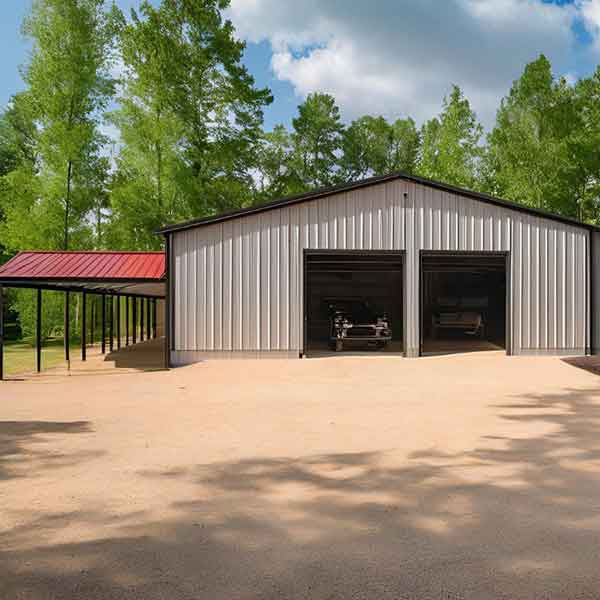
As more Americans invest in recreational vehicles (RVs), boats, and heavy-duty trucks, the need for secure, durable, and spacious storage solutions has surged. One of the most reliable answers to this demand is a steel garage building designed specifically for trucks and RVs. These structures offer unmatched strength, customization options, and cost-efficiency, making them the preferred choice for vehicle owners, fleet managers, and enthusiasts alike.
In this comprehensive guide, we’ll explore everything you need to know about constructing a truck and RV garage steel building — from planning and design considerations to the benefits and long-term value of going steel.
Why Choose Steel for Truck & RV Garages?
1. Durability & Strength
Steel is renowned for its strength and resistance to the elements. Unlike wood or concrete, steel can withstand harsh weather conditions, including high winds, heavy snow, and extreme temperatures. This makes it ideal for storing valuable vehicles like RVs and trucks that require protection from the elements.
2. Clear Span Design
Steel buildings can be engineered with clear spans of 100 feet or more without interior columns. This means more usable space to maneuver large vehicles and perform maintenance without obstructions.
3. Custom Height & Width
RVs and commercial trucks vary significantly in size, often requiring taller doors and higher ceilings than standard garages. Steel buildings can be easily customized to meet these height and width requirements, accommodating even Class A motorhomes, fifth wheels, and lifted trucks.
4. Cost-Effective
Steel construction is more affordable than many traditional methods, both in initial construction and long-term maintenance. Steel resists pests, mold, and decay, reducing the need for ongoing repairs.
Key Design Considerations
1. Dimensions
Determine the necessary height, width, and length of your garage. Class A RVs can exceed 13 feet in height and 40 feet in length. Add buffer space to allow easy movement around the vehicle and include extra room if you plan to store tools or additional equipment.
A common size for an RV or truck steel garage might be:
- 30’ x 50’ x 16’
- 40’ x 60’ x 18’
If you’re storing multiple vehicles, consider larger configurations with partition walls or separate bays.
2. Garage Door Size
Oversized roll-up or sectional garage doors are crucial. Standard doors (8 to 10 feet tall) won’t cut it. You’ll want at least a 12 to 14-foot tall door, with a width of 12 to 16 feet, depending on the vehicle.
3. Interior Clearance
Ensure sufficient interior clearance for overhead storage, ceiling-mounted lifts, or even a mezzanine level if desired.
4. Insulation & Climate Control
If you live in an area with temperature extremes or plan to work inside the building, insulation is a must. Add insulation to regulate internal temperatures, reduce moisture, and improve energy efficiency. Consider HVAC systems or ventilation fans to maintain airflow and protect your vehicles’ interiors and batteries from damage.
5. Electrical & Plumbing
Think ahead about electrical needs for lighting, power tools, charging outlets, or even solar panel integration. If you plan to live in or camp inside your RV while parked, plumbing for water and waste disposal can be added during construction.
6. Foundation Type
Steel buildings typically require a concrete slab foundation. This should be engineered based on your soil conditions, local frost lines, and building load requirements.
Construction Process
1. Site Preparation
- Clear the land of vegetation and debris.
- Level the site and compact the soil.
- Install drainage systems to prevent water accumulation around the slab.
2. Foundation Pouring
A concrete slab is poured, reinforced with rebar or mesh as needed. Anchor bolts are embedded in the concrete to secure the steel frame.
3. Steel Frame Assembly
Once the concrete cures, the steel frame is erected:
- Vertical columns are bolted to the slab.
- Roof trusses or rafters are installed.
- Girts and purlins are added to support walls and roof panels.
4. Wall & Roof Installation
Insulated or single-skin steel panels are attached to the frame. Roofing materials may include standing seam or R-panel systems, both offering excellent weather resistance.
5. Doors, Windows & Interior Finishes
Garage doors, man doors, and windows are installed. Interior customization may follow, including shelving, cabinetry, insulation, HVAC systems, and lighting.
Zoning and Permitting
Before beginning construction, contact your local zoning department to understand restrictions and requirements. Most municipalities will require:
- A building permit
- Site plans and elevations
- Engineering drawings
- Setback requirements
- HOA approvals (if applicable)
Compliance with local codes ensures your garage meets safety standards and avoids legal issues down the line.
Customization Options
Steel buildings are far from generic. You can personalize your truck and RV garage with:
- Color choices: Select from dozens of panel and trim colors to match your home or brand.
- Roof styles: Gable, single slope, or monitor-style roofs.
- Exterior finishes: Stone or brick wainscoting, faux wood panels, stucco finishes.
- Interior upgrades: Epoxy flooring, custom workbenches, lofts, and RV hookups.
Whether your style is rustic, industrial, or modern, a steel building can be tailored to reflect your vision.
Long-Term Value and Maintenance
Steel garage buildings offer excellent ROI. They retain their structural integrity for decades with minimal maintenance. Here’s what to expect:
- Maintenance tips: Regular inspections, cleaning gutters, tightening bolts, and touch-up painting where needed.
- Warranty: Many steel building manufacturers offer 20- to 40-year warranties on panels and structural components.
- Insurance benefits: Steel buildings often qualify for lower premiums due to their fire and weather resistance.
Use Cases Beyond Storage
A truck and RV garage steel building isn’t just for parking. Other possible uses include:
- Workshop or hobby space
- Home-based business operations
- Vehicle maintenance bay
- Man cave or she-shed
- Seasonal equipment storage
- Guest quarters (with proper retrofitting)
With a flexible open layout, the possibilities are nearly endless.
Conclusion
Investing in a steel building for your truck or RV is one of the smartest choices you can make for vehicle protection, property value, and personal convenience. Whether you’re a weekend traveler, full-time RVer, or simply need secure space for large vehicles, a custom steel garage offers the strength, flexibility, and style to meet your needs for years to come.
Planning your garage starts with understanding your goals. Work with an experienced steel building supplier or contractor to design a building that fits your vehicles, your lifestyle, and your local building codes. With the right plan in place, your truck and RV steel garage will be more than just a storage space — it’ll be a lasting asset.
If you’d like help designing or pricing your truck & RV garage steel building, contact us today for a free consultation. We’ll help bring your vision to life with high-quality materials, expert engineering, and a dedication to your long-term satisfaction.