
In the world of construction, steel buildings have carved out a permanent place for themselves due to their strength, flexibility, and cost-effectiveness. When it comes to building a workshop—whether for personal hobbies, a small business, or industrial use—steel is often the preferred material of choice. In this comprehensive guide, we’ll explore everything you need to know about workshop steel building construction, from the planning phase to the final inspection.
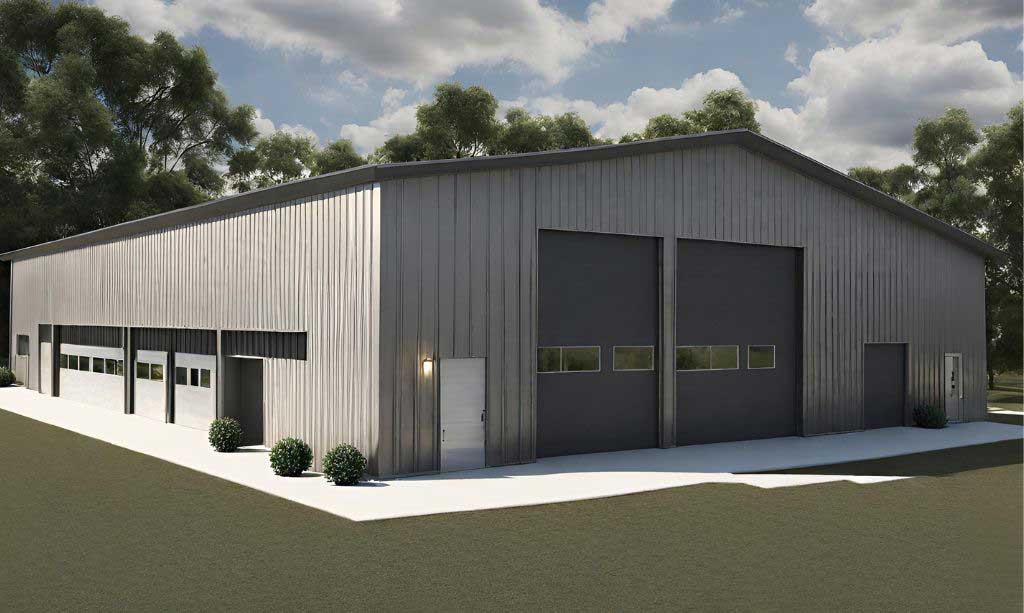
Why Choose Steel for Your Workshop?
Before diving into the construction process, it’s important to understand why steel is a top choice for workshops.
1. Durability
Steel structures are incredibly durable. They withstand harsh weather, resist pests, and are less susceptible to fire than wood-framed buildings. A well-built steel workshop can last for decades with minimal maintenance.
2. Cost-Effectiveness
Though the initial price of steel may be higher than wood, the overall cost tends to be lower in the long run due to reduced maintenance, faster construction times, and lower insurance premiums.
3. Design Flexibility
Steel workshops can be customized to any size or configuration. Whether you need a simple one-car garage or a 5,000-square-foot fabrication facility, steel can accommodate.
4. Speed of Construction
Pre-engineered steel buildings (PEBs) arrive ready to be assembled, cutting down construction time significantly compared to traditional methods.
5. Environmental Benefits
Steel is recyclable and sustainable. Many steel buildings use recycled materials and can themselves be recycled at the end of their lifespan.
Planning Your Workshop Steel Building
Like any construction project, building a steel workshop begins with careful planning.
Define Your Purpose
Ask yourself:
- What will the workshop be used for?
- Will it house heavy machinery?
- Do you need office space, storage, or a mezzanine?
Understanding the end-use determines the size, layout, and structural requirements of your steel building.
Set a Budget
Steel workshops can range from a few thousand dollars to well over $100,000 depending on size, location, and features. Set a realistic budget that includes:
- Site preparation
- Materials
- Labor
- Permits
- Utilities
- Interior finishes
Choose a Site
Site selection is crucial. Consider factors like:
- Accessibility
- Soil stability
- Drainage
- Zoning regulations
- Proximity to utilities
A level site with good access will save both time and money during construction.
Obtain Permits
Before breaking ground, check with your local municipality to secure the necessary permits. This may include:
- Building permits
- Zoning clearance
- Environmental approvals
- Electrical and plumbing permits
Failing to get the proper paperwork can result in fines or even demolition.
Design and Engineering
Once you’ve planned your space and secured your permits, it’s time to design your workshop.
Work with a Steel Building Provider
Most steel workshops are built using pre-engineered steel building (PEB) kits. These are custom-designed by manufacturers based on your needs and local building codes.
You’ll need to decide on:
- Building dimensions (length, width, height)
- Roof style (gable, single slope, etc.)
- Frame type (clear span or multi-span)
- Doors and windows
- Insulation and ventilation
- Color and finish options
Structural Considerations
A workshop must be structurally sound and meet all relevant codes. The steel building provider will design the framing system, load calculations, and bracing according to your location’s:
- Snow load
- Wind speed
- Seismic activity
You’ll also want to consider future expansion—steel buildings can be designed with that flexibility in mind.
Site Preparation
Before any steel goes up, the site must be prepared.
Grading and Excavation
The site is graded to create a level surface and ensure proper drainage. Excavation may be required for footings or utility lines.
Foundation
Steel workshops typically use one of the following foundations:
- Slab-on-grade: A poured concrete slab that also serves as the floor
- Pier foundation: Concrete piers placed under load-bearing columns
- Perimeter foundation: A trench around the edge of the building with concrete poured in
Your engineer will determine which type is best based on the soil and structural loads.
Erection and Assembly
With the site ready and the foundation cured, the building can be erected.
Delivery of Materials
The steel building kit will be delivered to your site. It includes:
- Primary framing (columns and rafters)
- Secondary framing (girts and purlins)
- Roof and wall panels
- Fasteners and anchor bolts
- Doors and window frames
- Trim and accessories
Assembly Steps
- Anchor Bolts Installation: Anchor bolts are embedded in the foundation to secure the primary frame.
- Erect Primary Frame: Steel columns and rafters are bolted together and raised into place using cranes or lifts.
- Add Secondary Framing: Girts and purlins are installed to support the walls and roof panels.
- Install Roof and Wall Panels: Sheets are fastened in overlapping rows with self-drilling screws.
- Doors and Windows: Frames are installed, followed by the doors and windows.
- Trim and Flashing: Metal trim is applied to corners, eaves, and base for weatherproofing and aesthetics.
Most kits come with detailed installation instructions. If you’re not experienced with steel building erection, it’s best to hire a qualified contractor.
Utilities and Interior Work
Once the shell is complete, utilities and interior work can begin.
Electrical
Plan for lighting, outlets, and machinery power needs. Consider energy-efficient LED fixtures and motion sensors to reduce electricity use.
Plumbing
If your workshop includes bathrooms or sinks, plumbing must be installed and connected to local water/sewer lines or a septic system.
HVAC and Insulation
Depending on climate and usage, heating and cooling may be necessary. Insulation options include:
- Fiberglass batt
- Spray foam
- Rigid board
Good insulation improves comfort and reduces energy costs.
Interior Finishing
You can add:
- Mezzanines
- Storage rooms
- Drywall or metal liner panels
- Epoxy-coated floors
- Built-in workbenches or cabinetry
Design the interior to fit your specific workflow and organizational needs.
Final Inspection and Certification
Before you can use your new steel workshop, a final inspection may be required. Inspectors will verify:
- Structural integrity
- Electrical and plumbing compliance
- Accessibility features
- Fire safety standards
Once approved, you’ll receive a certificate of occupancy.
Maintenance and Longevity
Steel buildings are low-maintenance but not maintenance-free. To extend the life of your workshop:
- Clean gutters and downspouts regularly
- Check for corrosion and touch up paint as needed
- Inspect roof and wall panels for leaks or damage
- Lubricate doors and hinges annually
With proper care, your steel workshop will provide decades of reliable service.
Conclusion
Workshop steel building construction is a smart investment for individuals and businesses alike. The strength, adaptability, and cost-efficiency of steel make it an ideal choice for everything from woodworking shops to automotive garages and industrial fabrication spaces. By carefully planning your project, working with reputable suppliers and contractors, and following best practices during construction, you can create a long-lasting, highly functional workspace tailored exactly to your needs.
Whether you’re just starting out or looking to expand, a steel workshop is a solid foundation for success.